
Tattoo Photography: Keeping a Record of Your Artwork
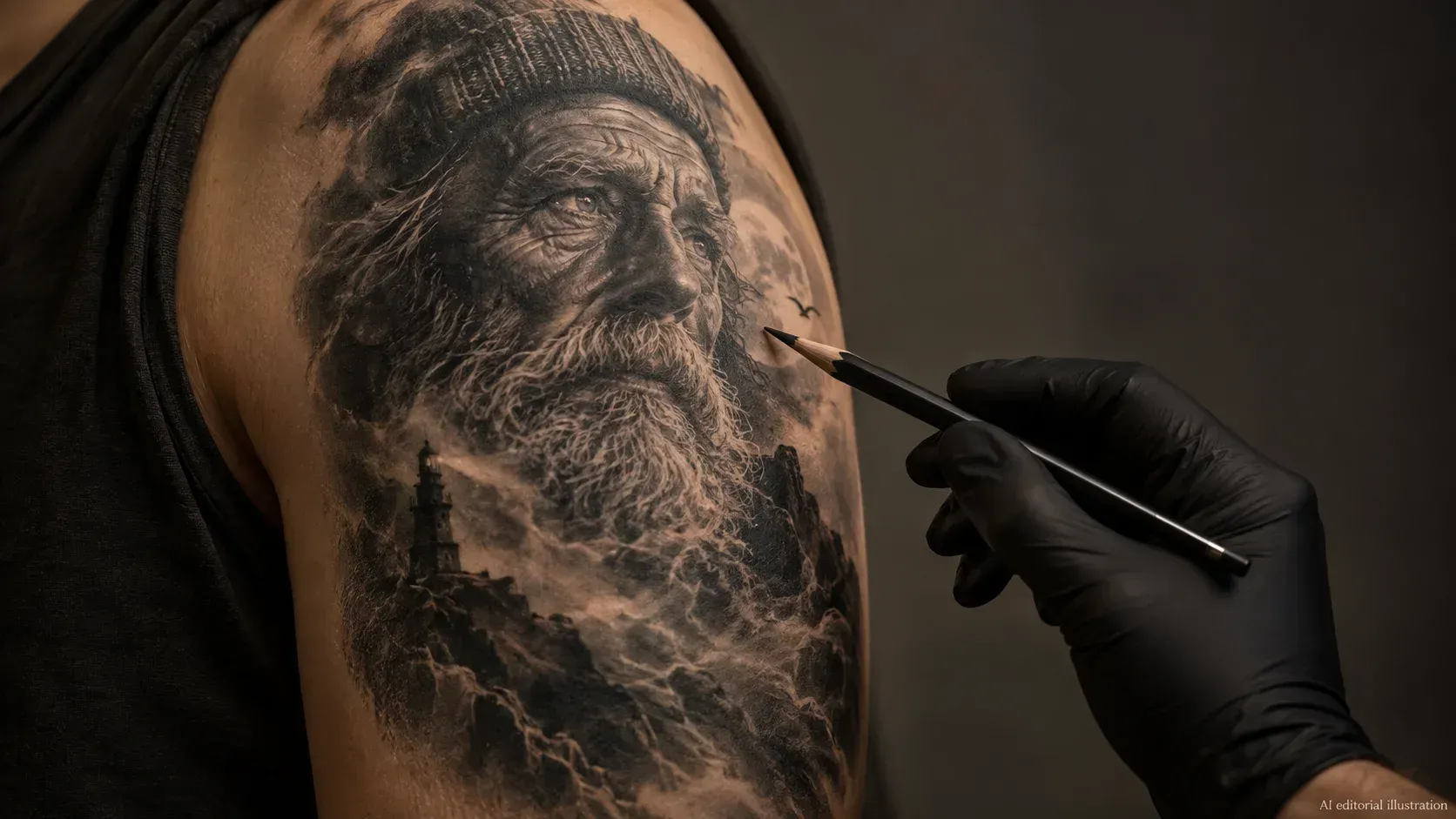
A photograph gives you a way to revisit the details of a tattoo and share the artwork when you choose. It can record the full composition, draw attention to smaller elements, or help you keep a personal collection of the pieces you have received.
If you are interested in tattoo photography in St. Croix, it is useful to include photos in the conversation about your project. Poseidon Rising Tattoo lists complimentary professional tattoo photography upon project completion among its services.
The photographs are another part of how you remember the artwork. Before they are taken, think about what you want to keep and how you would like the images to be used.
Decide what you want the photographs to show
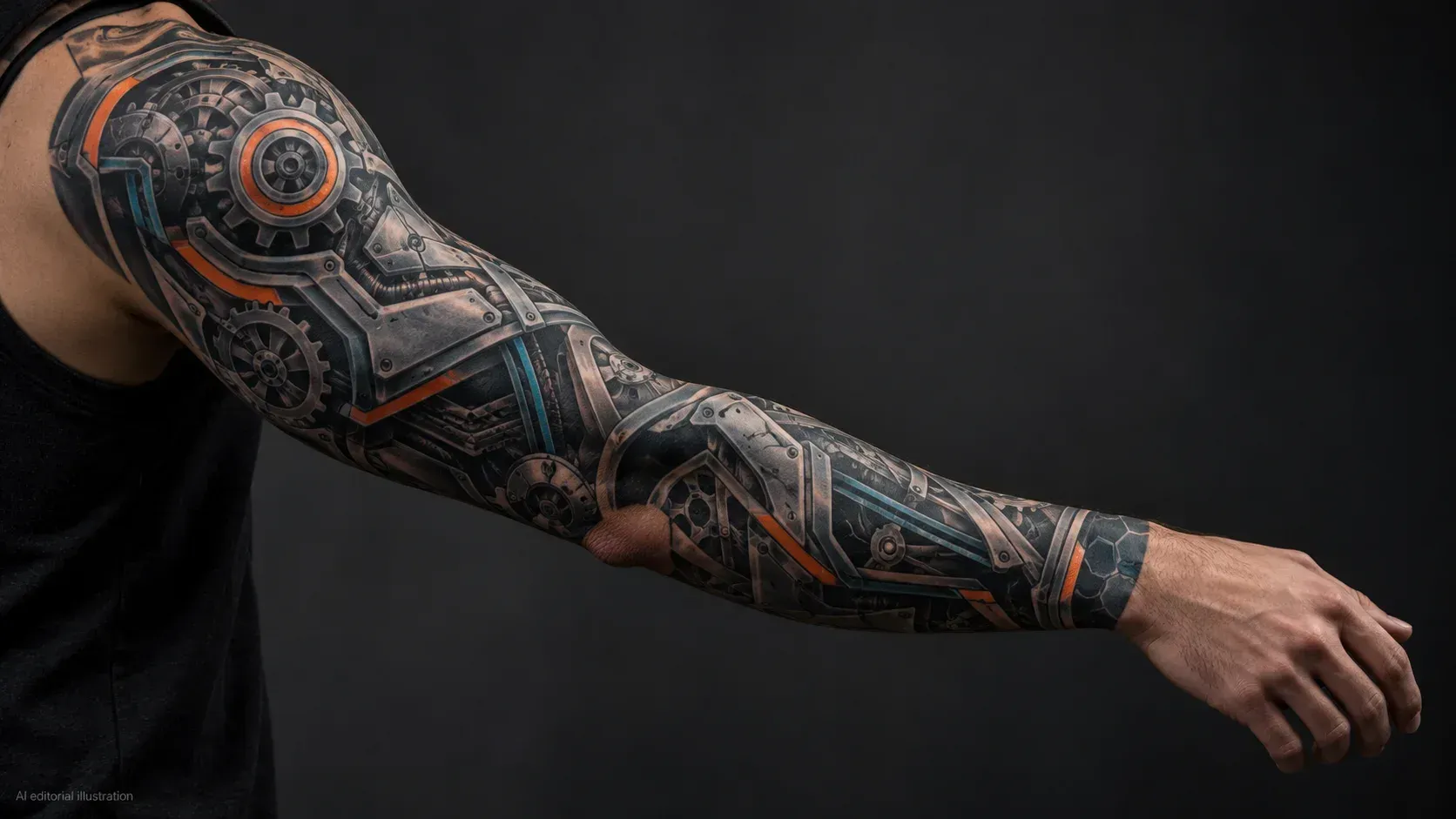
Start with the complete piece. An image that includes the overall composition helps explain how its elements fit together and where the artwork sits.
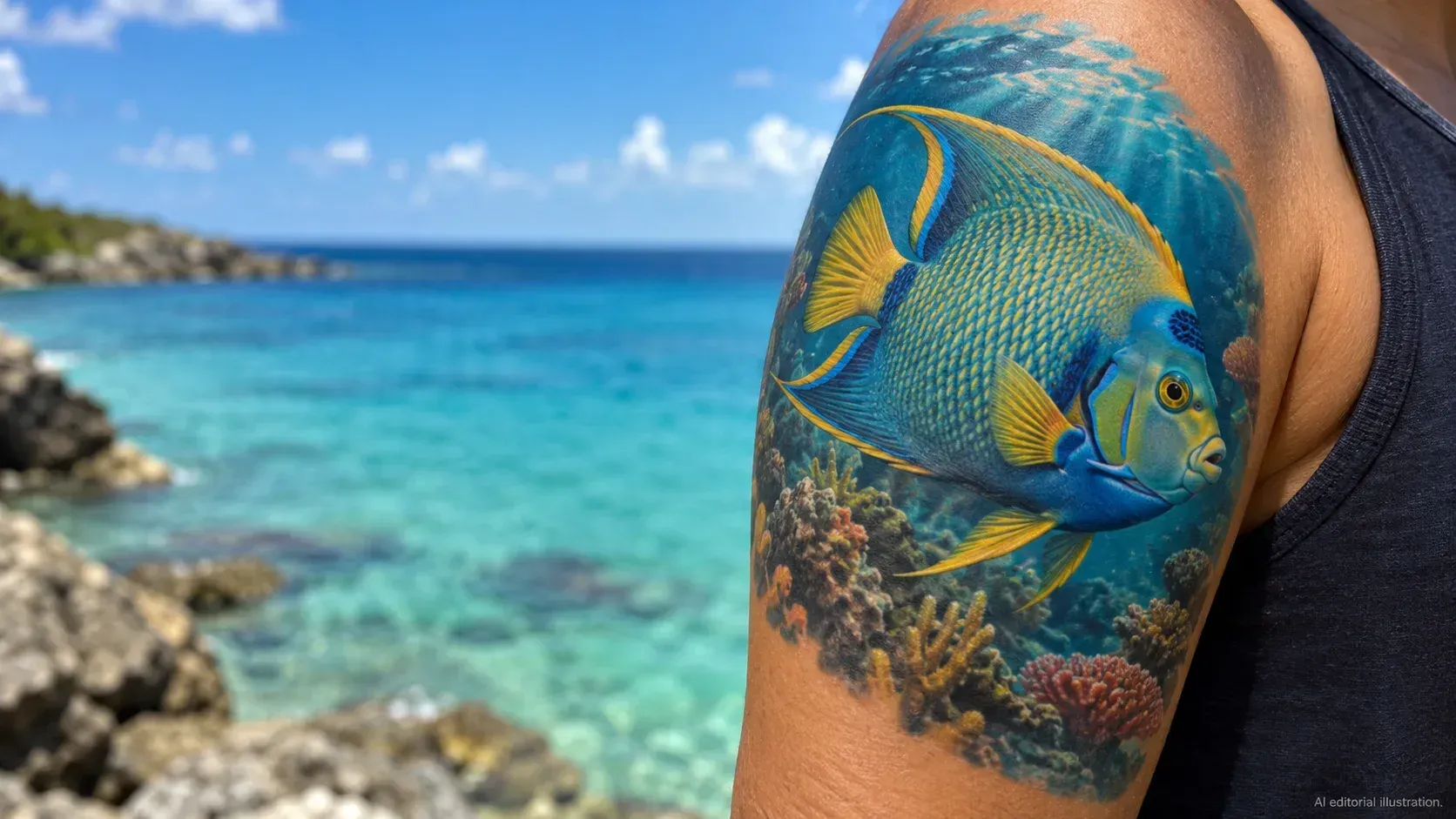
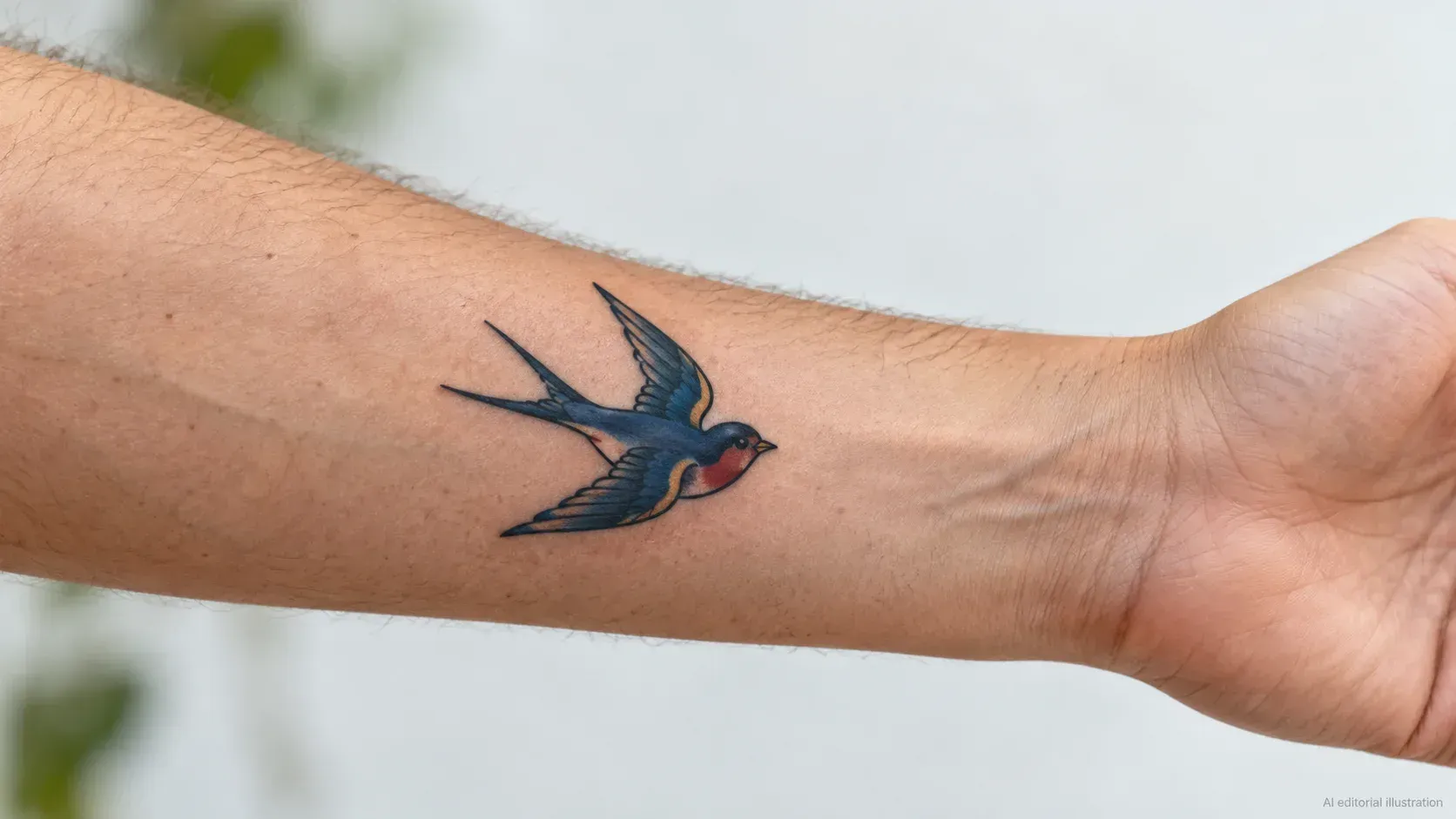
Then consider details you want to remember: the shape of a particular subject, a section of linework, or the balance between dark and open areas. A detail image can show something that might be less noticeable in a wider view.
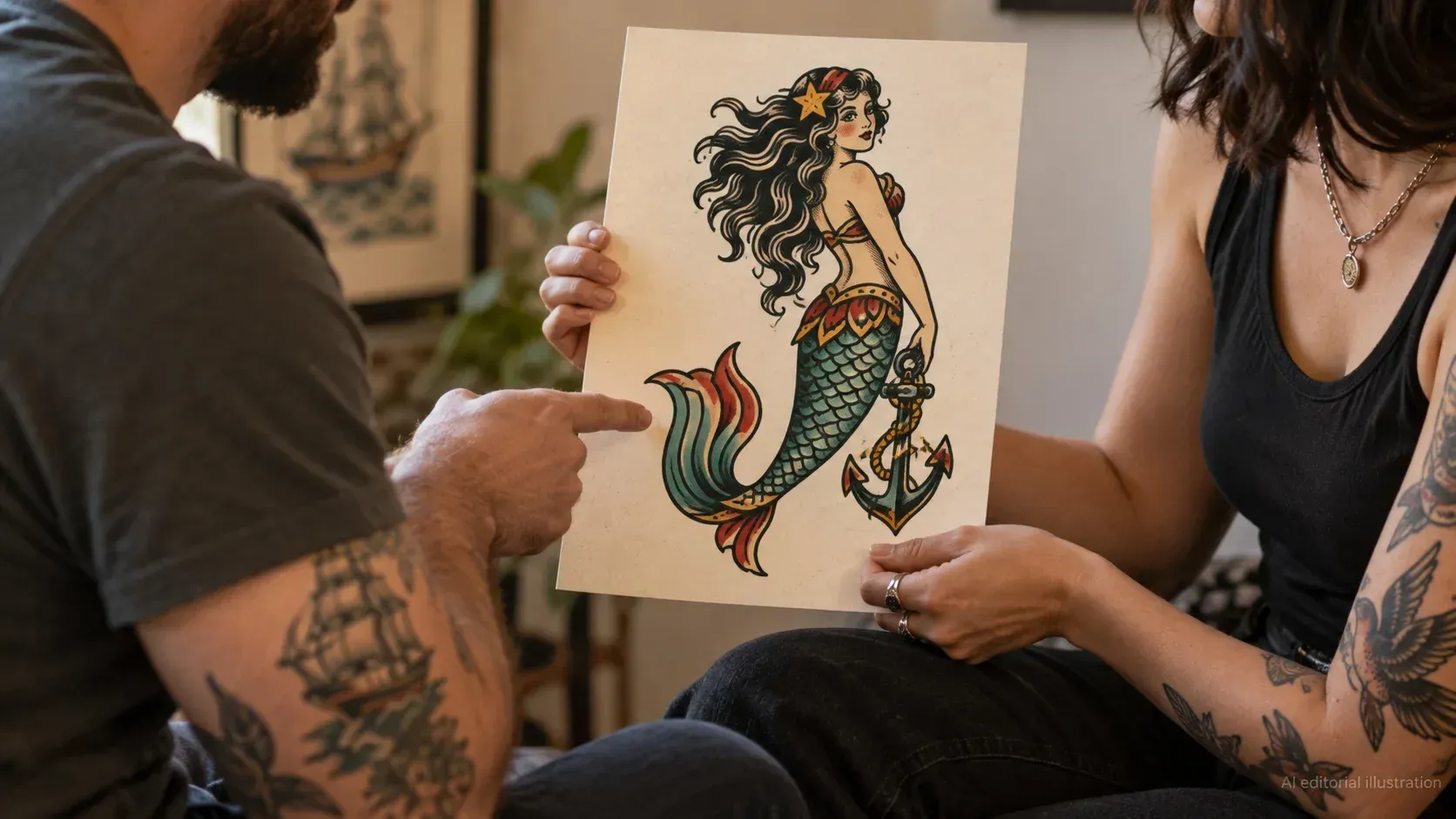
Explain which parts matter most to you. You may want a record of the tattoo as a whole, while another person may be especially interested in a small element with personal meaning.
Discuss framing and personal comfort
A tattoo photograph can include more of your body or identity than you intended. Talk about your preferences before images are taken.
You can ask how the artwork will be framed and whether identifying features need to appear. If you prefer a close composition focused on the tattoo, say so. If you are comfortable with a wider image, that is useful information too.
There is no need to turn a photo session into a personal portrait unless that is what you want. Clear preferences give the photographer a better understanding of the record you hope to keep.
Ask about the practical details
Find out how the studio handles its photography service for your project. Ask when photographs are taken, how the images will be provided, and what options are available.
Do not assume a particular number of images, delivery format, turnaround time, or editing service. Those details belong in the conversation with the studio. Getting them clear helps you understand what you can expect.
You may also want to ask which version is suitable for sharing online and which is useful for keeping in your own files. This lets you organize the images according to how you plan to use them.
Make sharing preferences clear
Receiving a photograph and agreeing to its public use are separate choices. If you have preferences about posting, tagging, captions, or including your name, discuss them directly.
A personal tattoo may have a story you want to share widely or a meaning you prefer to keep private. Tell the studio which approach you want so the conversation is clear.
When you post an image yourself, use a caption that accurately reflects the artwork and your experience. Check an artist’s name or social account before giving credit, rather than guessing from memory or tagging the wrong person.
Keep your own record organized
Save images where you can find them again. A folder named for the piece or the date is often easier to use than a collection of unnamed downloads.
You can keep a short note about the design’s meaning alongside the images. That note does not have to be public. It can simply preserve details you want to remember.
Visit the Poseidon Rising Tattoo website to explore the studio’s services and contact information. When discussing a project, ask about its complimentary photography and share your preferences. A thoughtful record lets you appreciate the composition and details of your artwork on your own terms.
Contact Poseidon Rising Tattoo about your idea. Explore work by Ricky Cavaness and Chloe Ficklin.
Share